Redefining physical space and reframing investment strategy
At the start of the decade, retail was far from the preferred commercial asset class for investors. However, 2025 saw strong recovery in the sector – and the rise of experiential retail was the key reason.
Retail in the United Kingdom has entered a new era. After years of disruption driven by the rise of online shopping, economic uncertainty and shifting consumer habits, the physical retail sector is evolving rather than disappearing. At the centre of this evolution is experiential retail — a model that prioritises engagement, immersion and social interaction over simple transactions. For retailers, landlords and investors, experiential retail represents both a strategic opportunity and a structural adjustment to how physical space creates value.
Understanding experiential retail
Experiential retail describes physical retail environments designed to deliver meaningful, memorable experiences alongside — or sometimes ahead of — product sales.
Traditional retail primarily focuses on efficient product display and transaction. Experiential retail, by contrast, aims to provide reasons to visit that cannot be replicated online. It seeks to transform stores and shopping destinations into places where people spend time, interact socially and connect emotionally with brands.
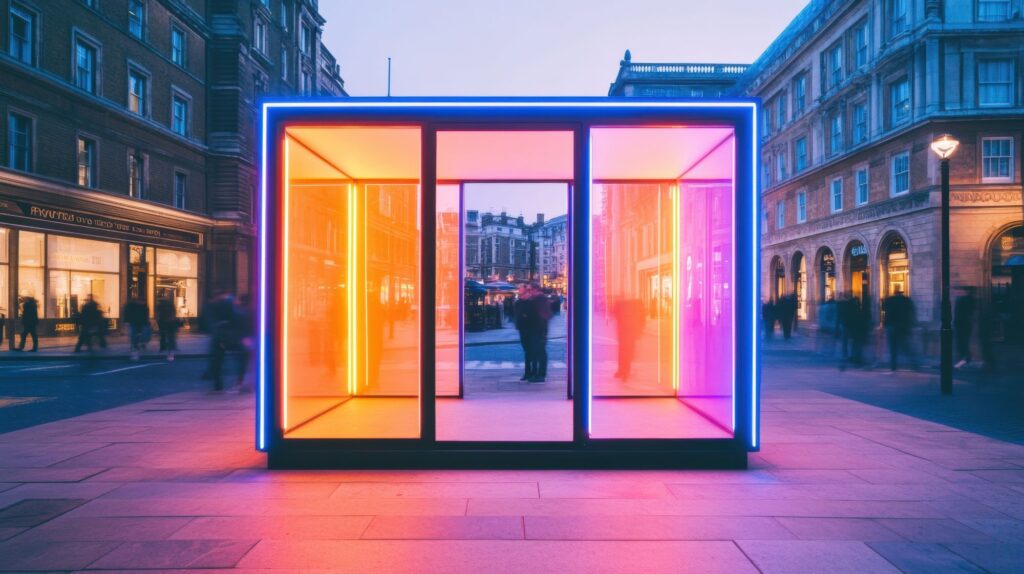
This transformation is directly linked to consumer behaviour. As digital commerce has made purchasing products easier and more convenient, physical stores must justify their existence in new ways. According to research from CBRE in its UK Real Estate Market Outlook 2026, this trend is driven by shifting priorities among shoppers.
“Many retailers will continue to invest in their stores through experiential retail, as consumer preference for spending on experiences over material goods grows,” it says. “Strategies include upgrading customer service, changing store formats, and hosting events to create community and drive loyalty. Owners and investors of multi-unit assets will continue to broaden tenant mix, incorporating food and beverage, leisure, healthcare and wellness.”
That captures the core of experiential retail. It is not merely about attractive design or novelty. It reflects a deliberate response to evolving demand, where emotional connection and community engagement increasingly influence where consumers choose to spend their time and money.
Experiential retail can manifest in multiple ways. Flagship stores may feature interactive zones where customers test products in realistic environments. Lifestyle brands might incorporate cafés or wellness areas into stores. Shopping destinations may combine retail, dining, entertainment and services into cohesive experiences designed to increase dwell time. The common thread is the creation of an environment that feels dynamic and socially engaging rather than purely transactional.

“I think experiential retail has become one of the defining shifts in physical retail over the past few years,” says Alexa Choynowski, Associate, Global Cross Border Retail at Savills. “The brands that are performing best today are those creating compelling in-store experiences – using activations, immersive environments and community-driven concepts to give customers a genuine reason to visit.”
Alexa Choynowski – Associate, Global Cross Border Retail at Savills
Experiential concepts in practice
Leading global brands have already demonstrated how experiential strategies function in practice. Large-format Nike stores incorporate activity zones and product customisation. Apple stores emphasise workshops, demonstrations and open gathering areas over traditional checkout counters. LEGO’s experiential formats provide interactive building zones where visitors engage directly with products before purchasing. These environments encourage exploration, learning and participation.
Research from Savills highlights how brands are adapting to this expectation. “Sensory experiences demonstrate strategic marketing approaches aimed at fostering customer engagement and extending interaction times,” it says. “By offering unique and immersive experiences… brands aim to create memorable moments that transgress traditional transactions… encouraging repeat visits and purchases, and ultimately driving customer loyalty and long-term brand success.”
Savills further observes that physical stores have evolved significantly. “Once solely transactional spaces, bricks and mortar stores have far surpassed their original function, now showcasing brand identity and offering unique interactions geared to engage customers on a deeper level.” These insights reinforce that experiential retail is not simply aesthetic enhancement. It is a redefinition of the store’s purpose — from a point of sale to a branded destination.
According to Choynowski: “There are so many different examples of experiential retail emerging globally, but one that springs to mind is the recently opened Kith flagship on Regent Street, which integrates hospitality concepts including Treats and the Ronnie’s restaurant. It’s about bringing that experience so that customers want to spend more time in the space to feel a part of the brand. When this trend started, it was a bit of a taboo for a retail store to incorporate hospitality, but now it’s increasingly what customers expect – retail is becoming theatre.”
At a larger scale, experiential thinking increasingly shapes entire retail destinations. UK shopping centres have integrated cinemas, competitive socialising venues, food halls, wellness facilities and leisure anchors. These additions transform malls into multifunctional hubs that combine commerce with entertainment and social life. Instead of visiting briefly for a specific purchase, customers may spend several hours in an environment offering multiple activities.
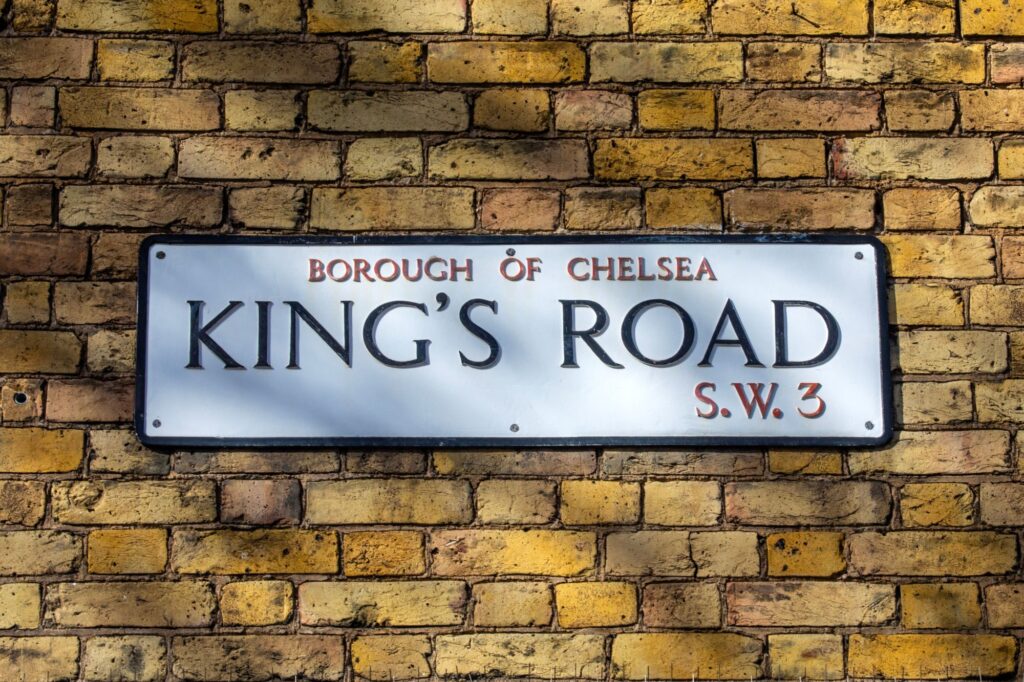

Choynowski draws on her experience working with the Cadogan Estate in London: “Chelsea is a strong example of how thoughtful curation can shape a retail destination,” she says. “The Kings Road has long been one of London’s most established fashion, beauty and lifestyle streets, while Pavilion Road has been carefully curated as a neighbourhood community hub bringing a real village feel to the area. It’s a unique pocket of Chelsea that people want to be a part of.”
Retail recovery and market context in the UK
Experiential retail must be considered within the broader context of UK retail real estate performance. After several challenging years, recent research suggests that retail has regained investor confidence.
According to Knight Frank in its publication The Retail Note: Retail in 2026 – Retaining the Crown, “retail consolidates [its] position as the best performing property asset class in 2025. All Retail achieved a total return of 9.6% in 2025… retail real estate will continue to outperform. All Retail is forecast to achieve total returns of 9.5% in 2026.”
This performance marks a significant shift in perception. Retail was widely viewed as the weakest commercial sector earlier in the decade. However, pricing resets and improved income returns have repositioned it competitively within investor portfolios.
Knight Frank further notes a renewed commitment to physical space among retailers. “The pendulum of investment is swinging back towards physical stores. With online now at scale, key retailers are increasingly re-channelling investment into the store estate. By doubling down and re-investing heavily in stores (existing as much as new sites), they are underlining their ongoing commitment to bricks and mortar retailing.”
This recommitment suggests that physical retail is no longer perceived as structurally obsolete. Instead, it is being reshaped to function alongside digital channels. Supporting this perspective, JLL highlights consumer demand for meaningful in-store experiences. “Consumers are demonstrating a rising desire for scaling back digital in favour of preserving the sensorial, tactile nature of stores… half say a ‘compelling store experience engages all my senses’,” it says.
JLL also observes that larger retail units are increasingly linked to experience-led strategies. “Retail units exceeding 1,000 square meters represented 17% of notable store openings but accounted for 50% of total space occupied, reflecting retailers’ emphasis on enhanced customer experience and omnichannel distribution capabilities,” it says.
Meanwhile, CBRE’s market data reinforces retail’s stabilising fundamentals. “Vacancy rates declined in 2025, with retail parks exhibiting the lowest vacancy rates at 6.1% and major central London streets at 5% or below,” it says. “In 2026 we expect there to be a continued shortage of supply in these sought after locations, while the top shopping centres are nearing full occupancy.”
CBRE also reports improving retail sales sentiment. “The retail sector showed signs of resilience and recovery in 2025… more optimistic sentiment has translated into year-on-year retail sales growth since June, and we forecast this metric to increase by 1.9% in 2026.”
Together, these indicators suggest a retail sector that is stabilising and, in some segments, strengthening — particularly in prime locations capable of supporting experiential strategies.
Comparing experiential and traditional retail formats
Traditional retail remains rooted in cost control, inventory management and transactional efficiency. It often requires lower capital expenditure and simpler operating models. For certain categories, especially convenience-based goods, this approach remains effective.
Experiential retail, by contrast, involves higher initial investment in design, technology and programming. Stores may allocate space to events, seating areas or interactive installations that do not directly generate immediate sales. Operational complexity increases, requiring skilled staff capable of hosting events, demonstrating products and delivering immersive engagement.
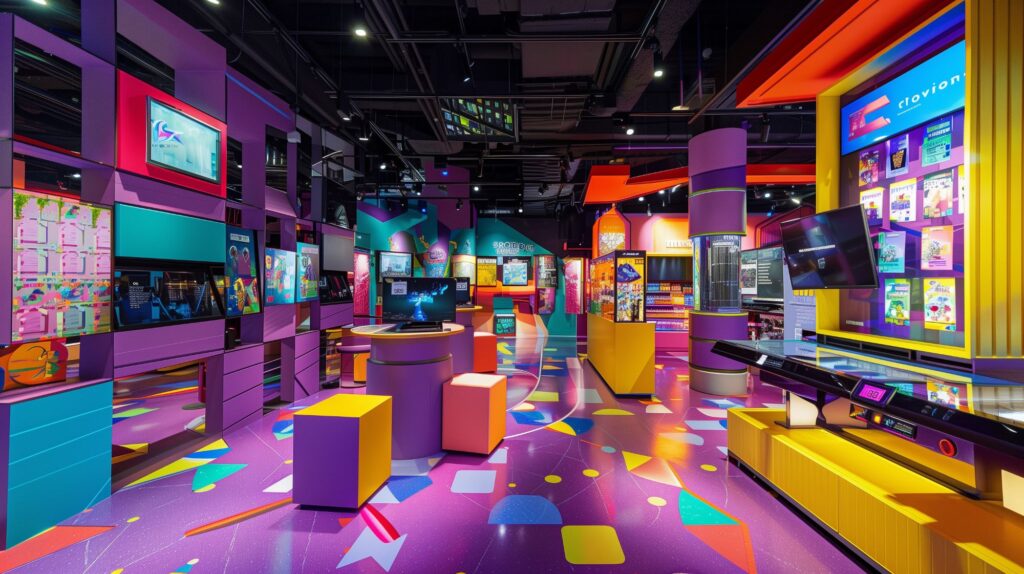
The benefits, however, can be substantial. Experiential environments encourage longer dwell times, stronger emotional attachment and repeat visitation. They can also amplify omnichannel performance, as customers exposed to engaging in-store environments may later transact online with the same brand.
The risks primarily relate to capital intensity and economic sensitivity. If consumer confidence weakens, discretionary spending on leisure-driven experiences may fluctuate. Investors must therefore carefully evaluate location, tenant mix and long-term structural demand before committing to experiential redevelopment.
The investment case for experiential retail
From a real estate perspective, experiential retail is compelling when executed within strong fundamentals. Prime location remains essential. High footfall, transport connectivity and affluent or dense catchment areas provide the foundation upon which experiential elements can thrive.
The return profile highlighted by Knight Frank suggests retail is once again competitive within diversified portfolios. Improved income yields, tighter vacancy in prime markets and retailer reinvestment support the case for selective exposure.
However, experiential retail demands active asset management. Landlords must curate tenant mix thoughtfully, balancing anchors with complementary uses such as dining, wellness and leisure. Lease structures may incorporate turnover-linked components to align incentives. Financial modelling should account for longer stabilisation periods associated with higher capital expenditure.
Flexibility is also critical. Retail trends evolve quickly, and spaces must be capable of adaptation. Modular design, infrastructure for events and digital integration enhance resilience. Ultimately, experiential retail does not replace the fundamentals of property investment; it overlays them. Location, covenant strength, lease structure and demand depth remain decisive factors. Experience enhances value when it operates within robust market conditions.
Experiential retail reflects a structural evolution in how physical retail space creates value in the United Kingdom. Retailers are actively reinvesting in stores, consumers seek immersive and sensorial environments and retail real estate performance has strengthened in prime markets.
Physical retail is no longer defined solely by transaction. It is increasingly defined by interaction, engagement and place-making. For investors, experiential retail represents both opportunity and responsibility. It offers the potential for resilient income and competitive returns, but only when supported by strong locations, diversified tenant mixes and disciplined management.
In a retail landscape permanently reshaped by digital commerce, experience is no longer an optional enhancement. It is the element that justifies physical presence. For UK retail real estate, experiential strategies may prove central to sustaining relevance — and delivering performance — in the decade ahead.
Sources:
CBRE – UK Real Estate Market Outlook 2026
Knight Frank – The Retail Note: Retail in 2026 – Retaining the Crown
Savills – Retail Rebuilding
Savills – Brands Elevate Physical Retail with Unique Customer Experiences
JLL – Global Retail Market Perspectives
Copyright © 2000-2026 Rightmove Group Limited. All rights reserved. Rightmove prohibits the scraping of its content. You can find further details here.


