Do you want the drama of the Alps, the tranquillity of a lakeside village, a rustic Tuscan farmhouse, an apartment in a historic city, or a home on the coast?
Knowing which appeals most is the first step in finding the right property in Italy, as each region has its own character, price point, and pace of life. Choosing the right one early on will shape the rest of your search. Italy is an easy country to explore from the UK, with regular flights into Milan, Rome, Turin, Bologna and Florence.
The mountains: four seasons of alpine living
The Dolomites and Italian Alps traverse the autonomous provinces of Trentino, Alto Adige, Veneto, Valle d’Aosta, Piedmont, Lombardy and Friuli-Venezia Giulia. These dramatic peaks come alive in winter with world-class ski resorts, and are equally enticing in summer, offering hiking and sweeping views.
Buyers looking for a milder climate and more affordable prices can also consider the Apennine mountain range, which stretches almost the length of the Italian peninsula from Liguria in the north to Calabria in the south, particularly in Umbria, Basilicata and Calabria.
Italy’s Lakes: picturesque villages against a mountain backdrop
Italy’s northern lakes are fringed by charming villages and set against imposing mountain scenery. Lake Como and Lake Garda, both in the Lombardy region, are among the most sought after by lake-loving buyers, with hotspots like Bellagio and Brunate commanding higher prices. Head into the hills around the water’s edge, though, and more affordable homes with stunning views can still be found. Lake Iseo, Lake Maggiore and Lake Orta (Piedmont) are also worth including on a lakeside viewing trip.
Further south, Bolsena in the Lazio region and Bracciano, just 32km northwest of Rome, offer scenic lakeside living away from the more famous northern hotspots.
Countryside: Italy’s rolling classic
Few images are as iconically Italian as the countryside of Umbria and Tuscany, where cypress-lined roads wind through rolling hills to rustic farmhouses and olive groves. These central regions have long been favourites with British buyers seeking verdant vistas, vineyards and medieval hill towns. Le Marche, Lazio and Emilia-Romagna offer similar charm for those exploring further afield.
These central regions also sit on the doorstep of enchanting cities like Rome, Florence, Siena and Pisa, while regions to the south, such as Apulia, offer a relaxed rural lifestyle in the Mediterranean sun, with characterful stone farmhouses to suit most budgets.
Cities: culture, cuisine and career opportunities
Each Italian city has its own distinct character, architecture and cuisine. Popular choices with British buyers include:
- Milan (Lombardy): A fast-paced metropolis known for big business and high fashion.
- Turin (Piedmont): An elegant city of tree-lined boulevards and art-nouveau cafés, fringed by the Alps.
- Bologna (Emilia-Romagna): Widely regarded as Italy’s food capital.
- Florence (Tuscany): The romantic, cobbled cradle of the Renaissance.
- Rome (Lazio): The Eternal City, where ancient ruins, Baroque piazzas, and neighbourhood trattorias sit side by side.
Coast: from the Riveria to islands
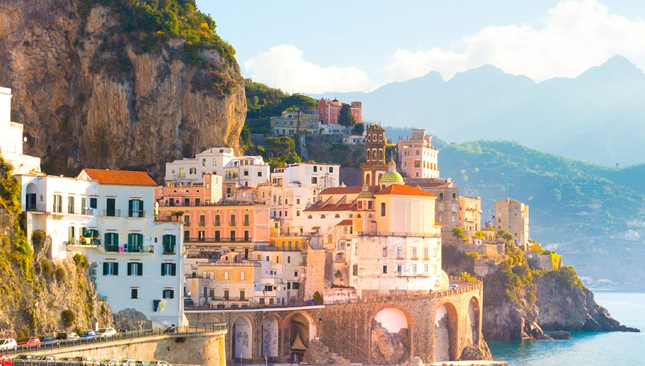
With over 7,500km of coastline, Italy ranks fourteenth in the world for coastline length. The most famous stretches, the Cinque Terre in Liguria and the Amalfi Coast in Campania, are dotted with postcard-perfect towns of colourful buildings clinging to cliff faces, and command high property prices as a result.
Buyers looking for better value can extend their search along the coast and inland, or head further south to Apulia, Calabria, Sicily or Sardinia, where property prices are typically lower.
Managing your buying process in Italy
Buying property in Italy involves a different legal process to the UK, from obtaining a tax identification number (codice fiscale) through to signing the final deed of sale (rogito) with a notary. Understanding these steps in advance can help buyers feel more confident and avoid unnecessary delays. For a clear overview of what to expect, including key stages, costs and timescales, UK buyers can refer to Lumon’s Italy buying guide.
Italian property is also priced in euros, so the amount your sterling budget buys can shift between making an offer and completing. It’s worth factoring this into your budget from the start.
FAQs: buying property in Italy
Can UK citizens buy property in Italy?
Yes. UK citizens can purchase property in Italy without restriction. However, if you plan to stay longer than 90 days in any 180-day period, you’ll need to look into visa and residence permit requirements.
Do I need to be in Italy to buy a house?
No. If you’re unable to attend the signing of the final deed of sale in person, you can arrange a power of attorney to complete this on your behalf.
How can I protect my budget from currency fluctuations?
There are a few ways to manage the effect of exchange-rate movements on a property budget, each with advantages and drawbacks.
Forward contracts, for example, can help protect your budget from currency fluctuations by locking in current exchange rates and providing greater certainty over future costs.
The trade-off is that you won’t benefit if rates move in your favour afterwards, and the contract is binding even if your purchase is delayed or falls through, so it may not suit every buyer’s circumstances.
Written by Lumon Pay Ltd for Rightmove
This publication is provided for general information purposes only and does not constitute financial, legal, tax or other professional advice from Lumon, nor is it intended as a substitute for obtaining advice from appropriately qualified professional advisers. Foreign exchange services provided by Lumon are offered on an execution-only basis. Lumon makes no representations, warranties or guarantees, whether express or implied, as to the accuracy, completeness or timeliness of the content of this publication. Lumon Pay Ltd, trading as Lumon, is authorised by the Financial Conduct Authority as an Electronic Money Institution (FRN: 902022)
Foreign exchange transactions involve risk. Currency movements and market volatility may affect costs, cash flow and financial outcomes.
Copyright © 2000-2026 Rightmove Group Limited. All rights reserved. Rightmove prohibits the scraping of its content. You can find further details here.