Moat Wood, East Hoathly
There's a place on the edge of East Hoathly where the trees have been keeping a secret for over 700 years.
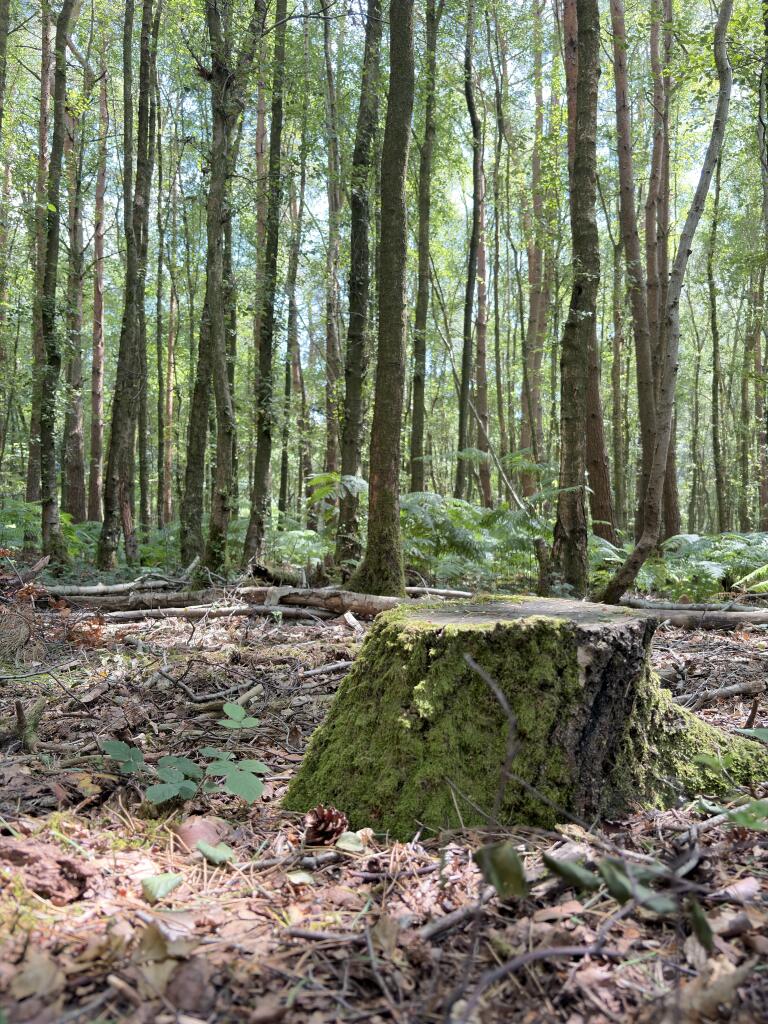
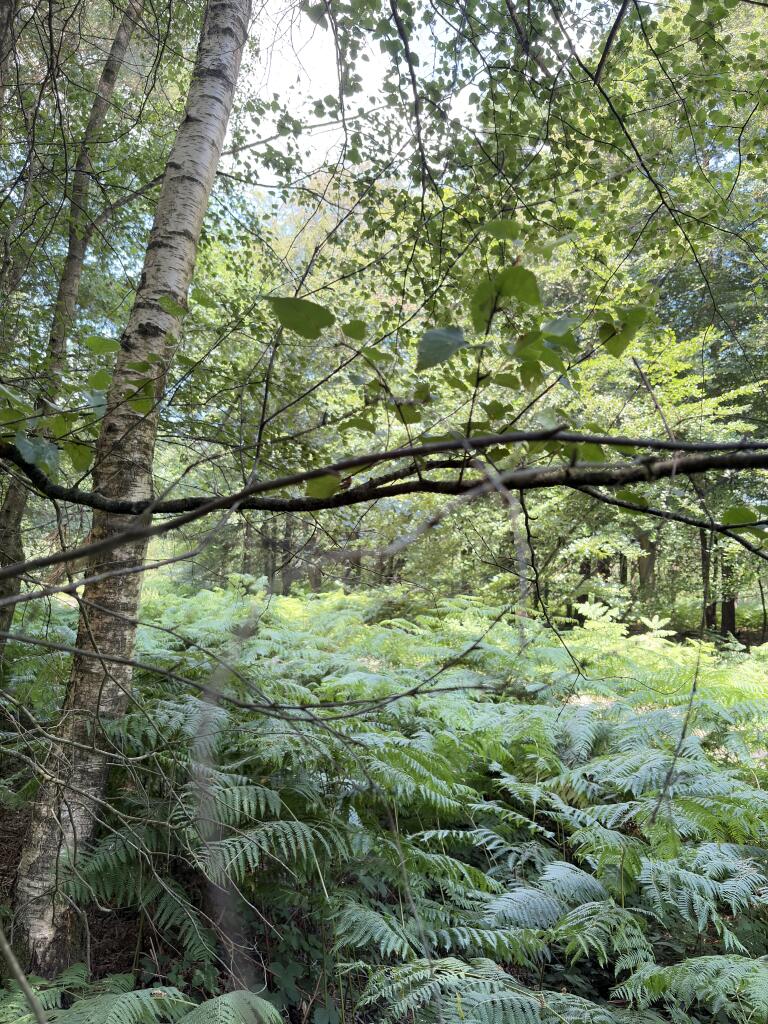
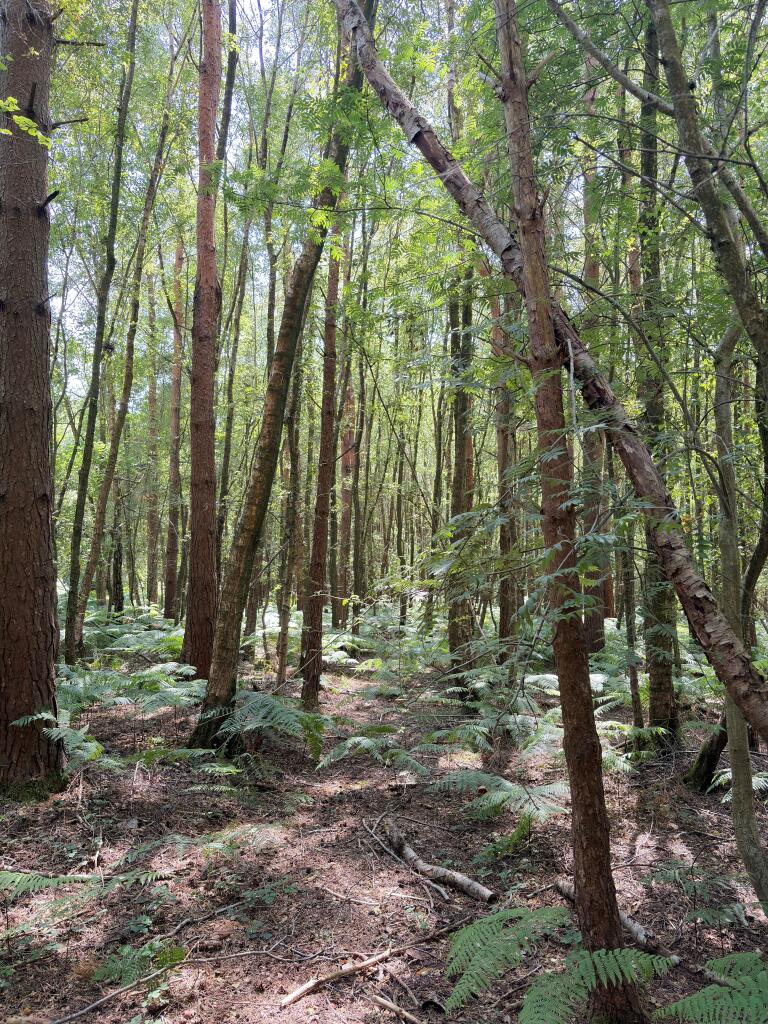
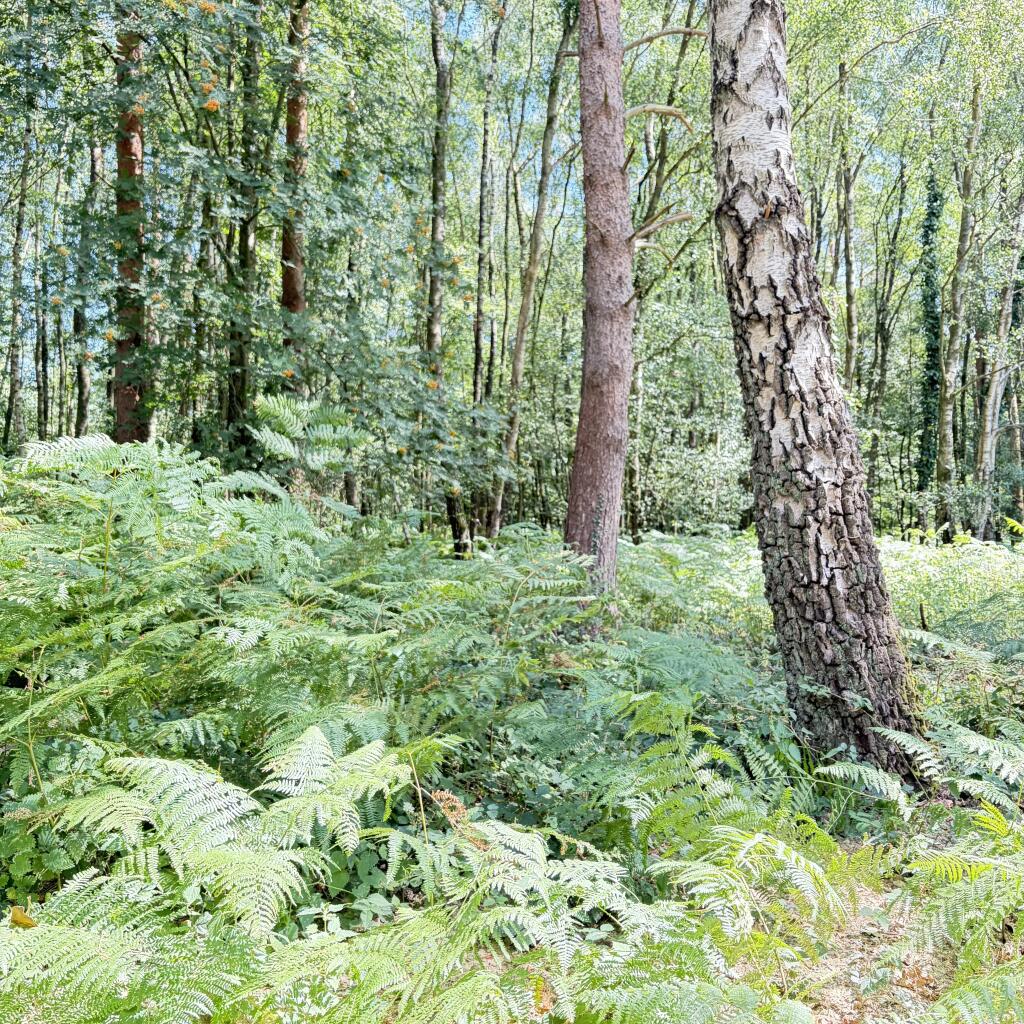
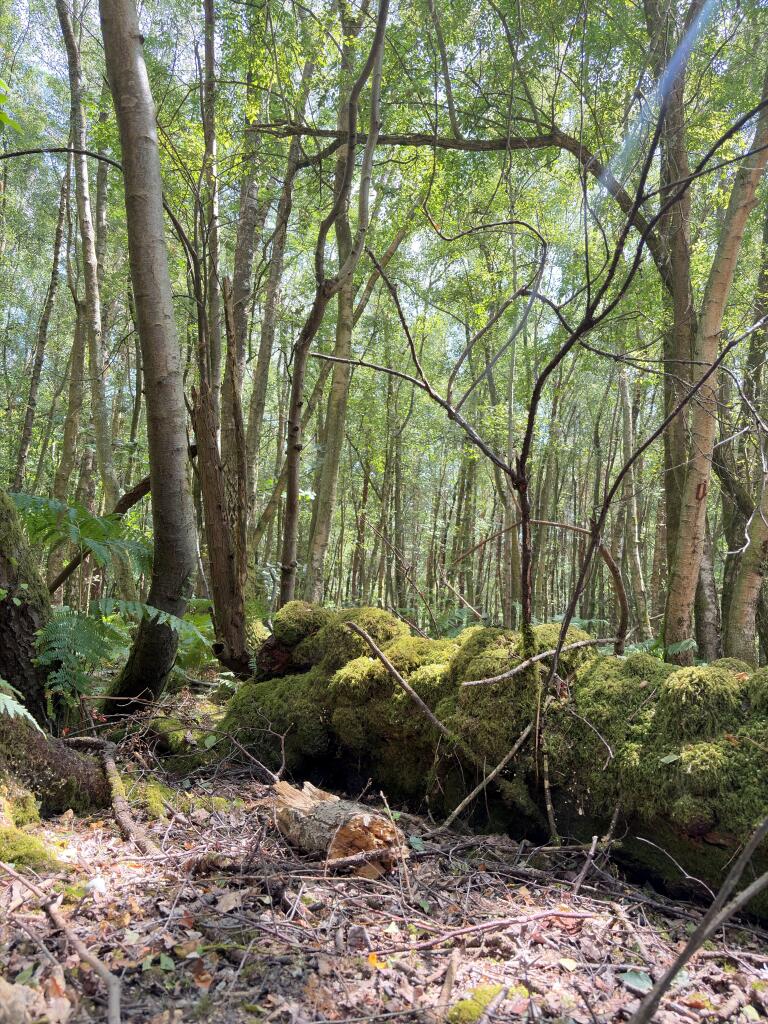
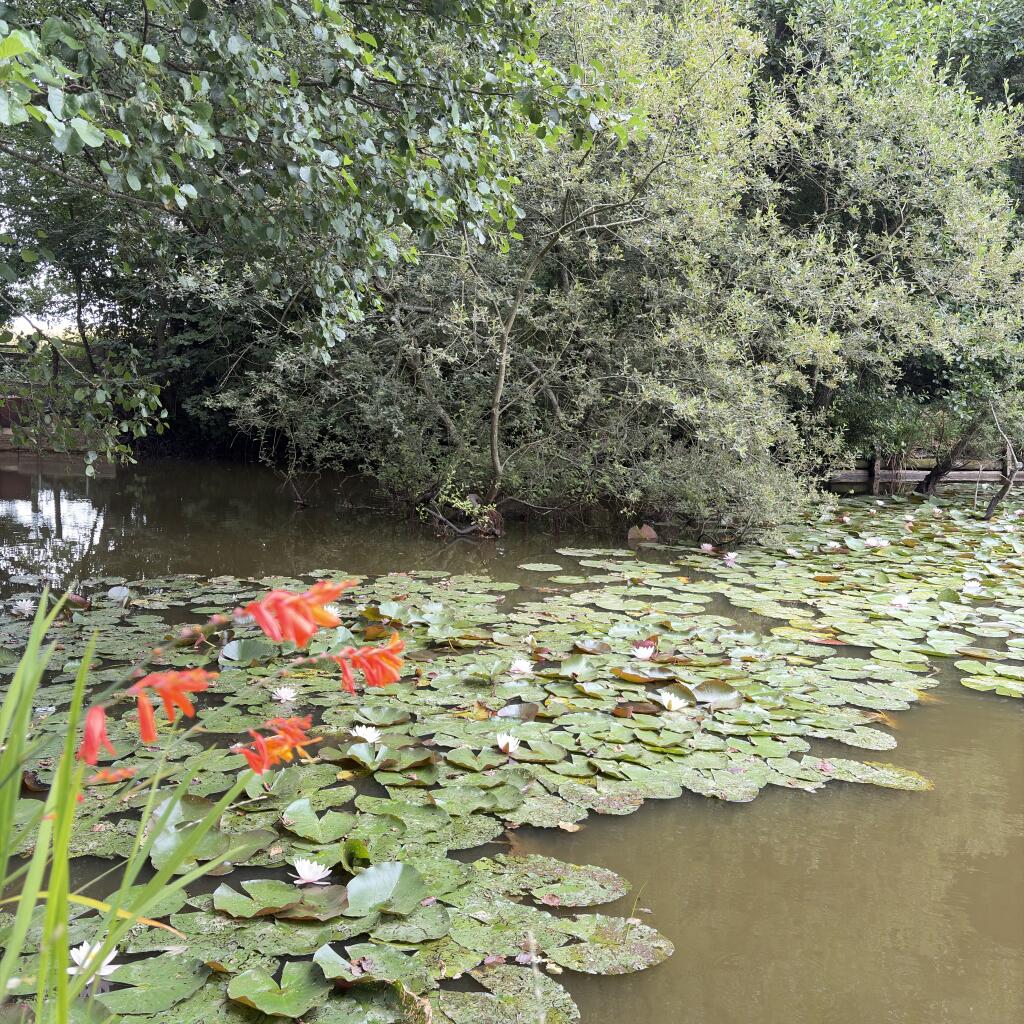
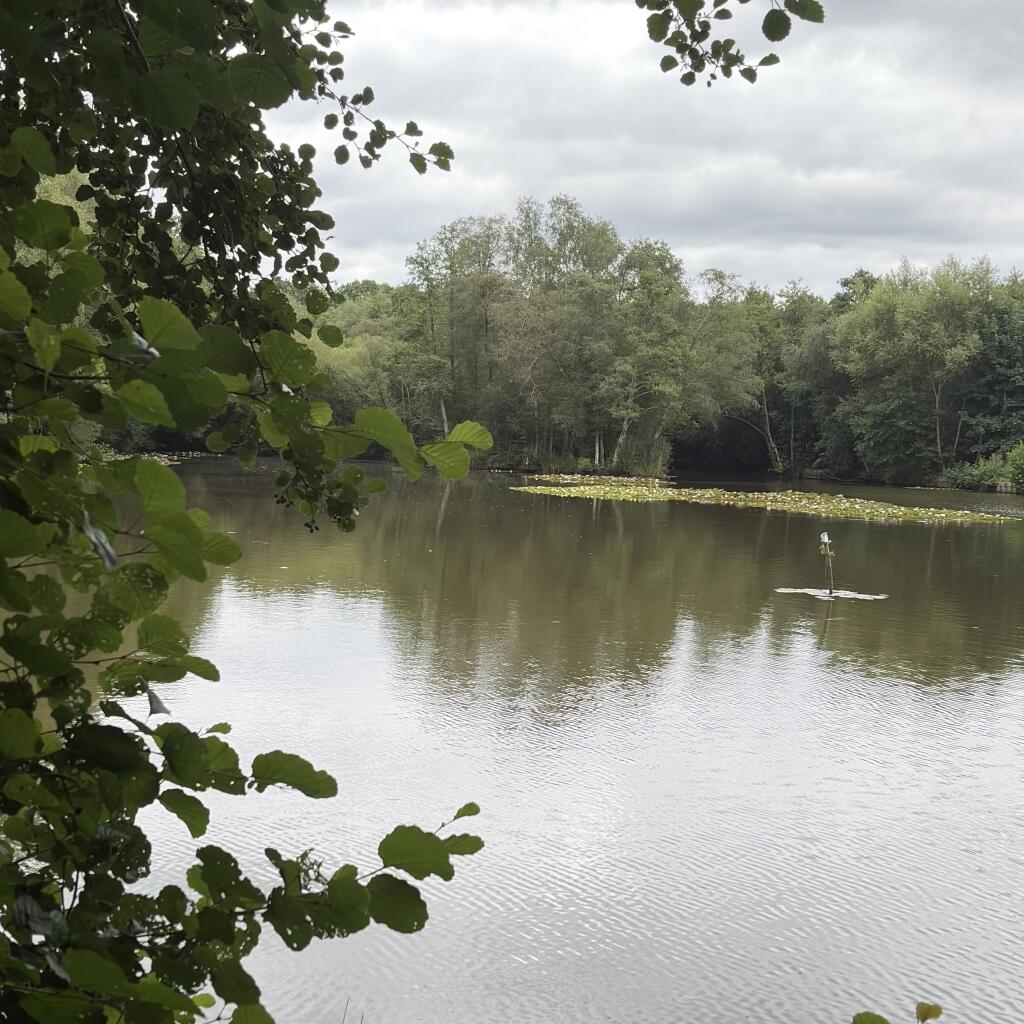
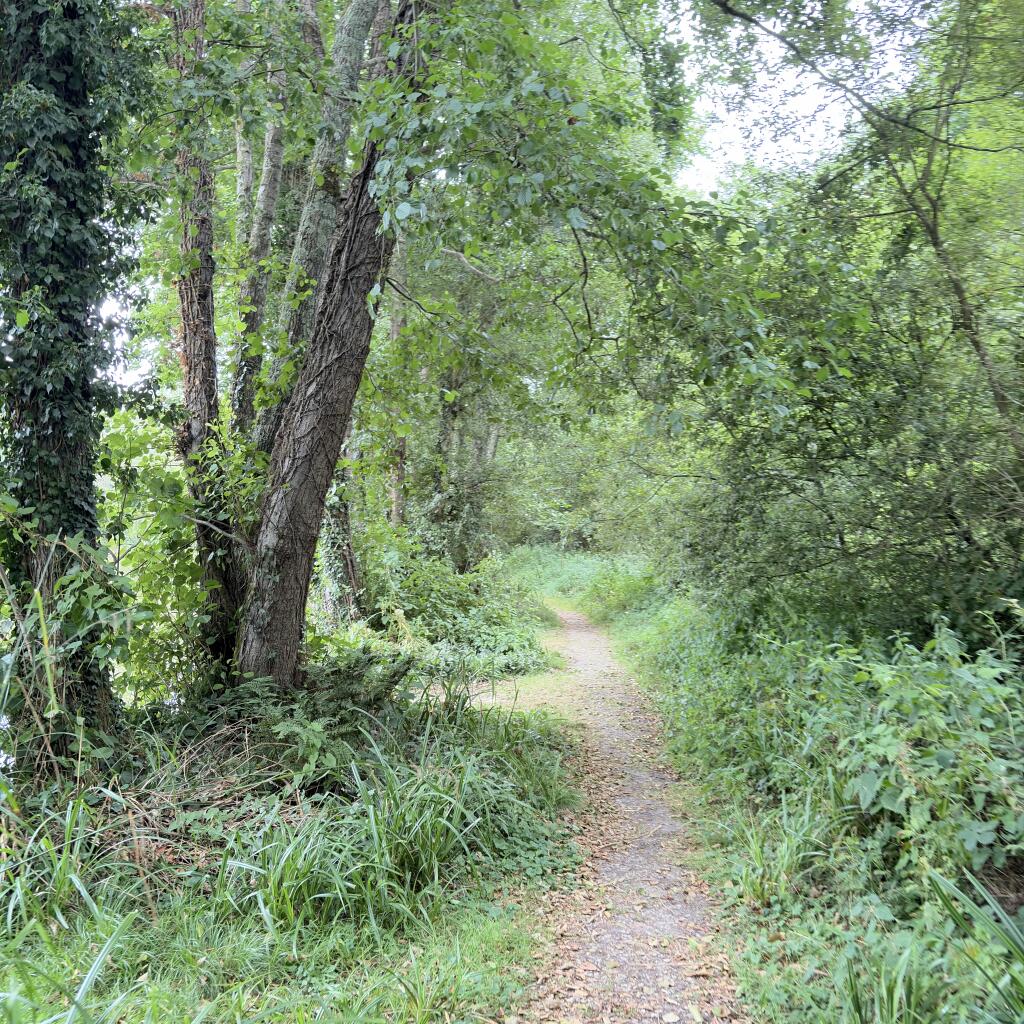
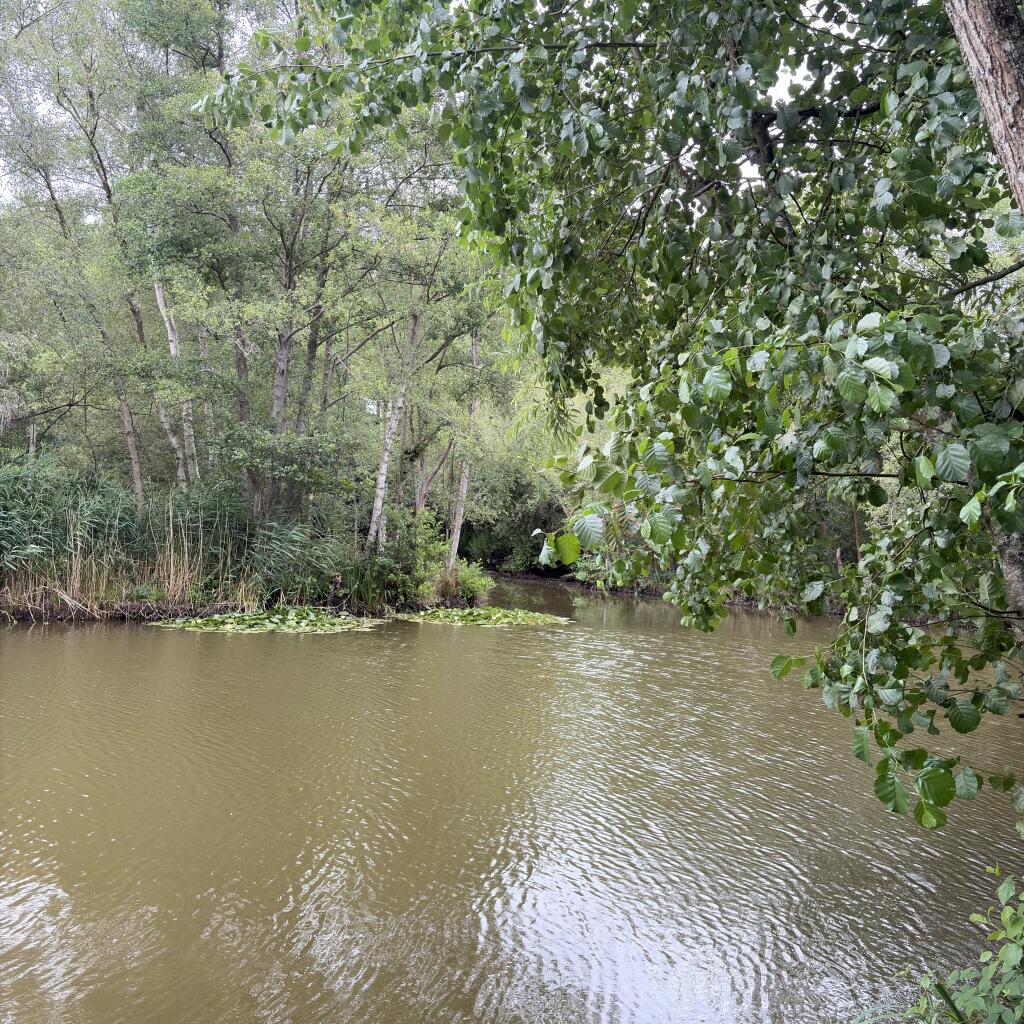
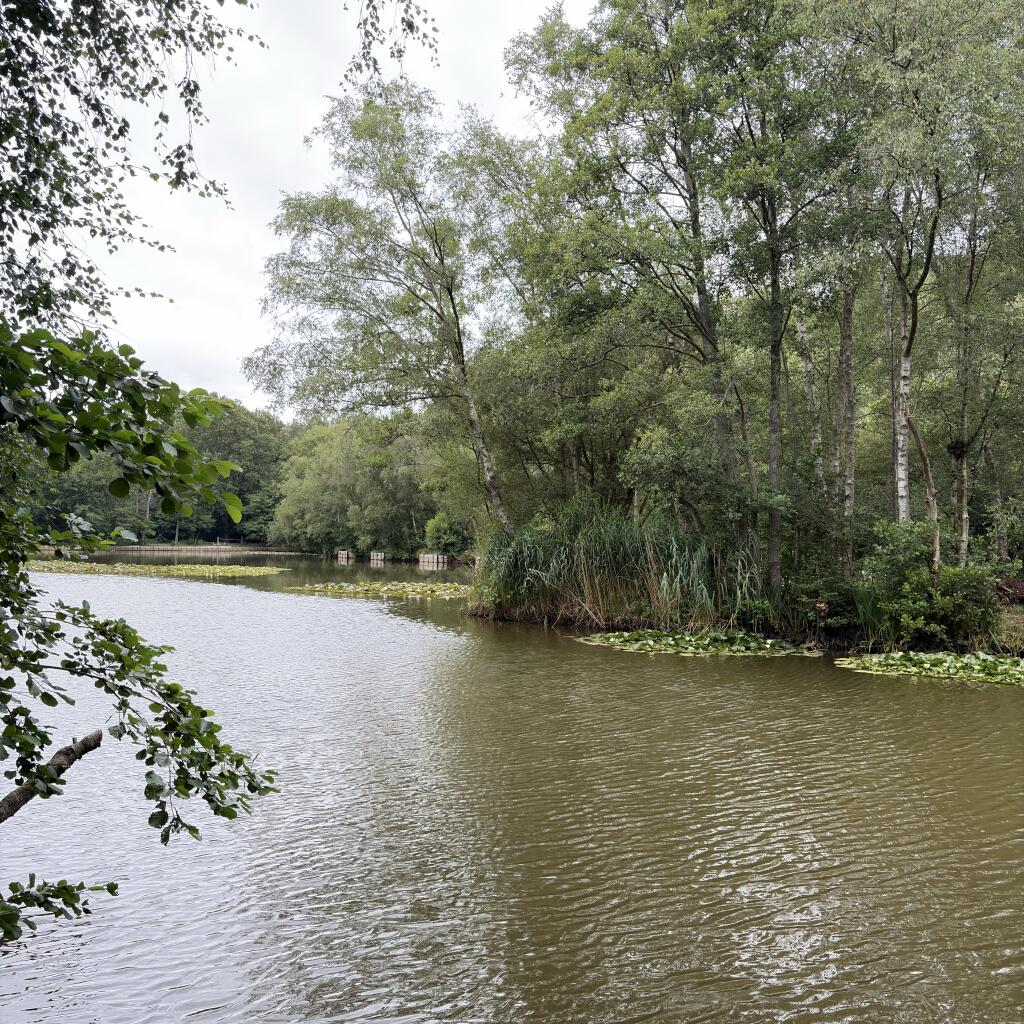
Walk in off South Street, and within a few hundred metres the modern world falls away. Rides wind between mature oak, hornbeam, ash, birch and hazel. Bluebells and wood anemone carpet the ground each spring, the unmistakable calling cards of genuine ancient woodland. And then, right at the heart of it, you find the reason the wood has its name: a medieval moat, still holding water through the winter months, encircling a quiet island of coppice.
This isn't a folly. It's the real thing.
Archive evidence traces Moat Wood back to the 14th century, when the moated island is thought to have supported a prestigious timber-framed dwelling, likely a status symbol for someone climbing the medieval social ladder, rather than a defence against attack. Built somewhere between 1250 and 1350, it's survived remarkably intact: banks, ditches, ponds, a causewayed track, even the remains of an old saw-pit, all still readable in the landscape today. In 2000, English Heritage recognised what a rare survival this is, designating the moat a Scheduled Monument.
Fast forward to now, and the wood is very much alive.
Nearly 10 acres of woodland, in fact, a mosaic of high forest, coppice and sun-dappled glades that supports something increasingly hard to find: a thriving population of adders, and the spring song of nightingales drifting through the canopy in May. Tucked into the north-east boundary is a stand of the nationally rare wild service tree. And in a corner most Sussex woods can't offer, a rare pocket of wet alder carr, spongy with sphagnum moss and tussock-sedge, adds a whole extra habitat to the mix.
For the right buyer, this is more than a woodland. It's a legacy.
Somewhere to watch the seasons turn in real time, bluebells to birdsong to bare winter branches reflected in the moat. Somewhere with its own 700-year backstory already written, just waiting for the next chapter. And somewhere that comes with genuine ecological credentials: ancient woodland indicator species, a scheduled monument, and a rare habitat type all on one site.
Moat Wood, East Hoathly. Seven centuries in the making. A section, to be yours to write your own chapter.