Preparing your home for sale

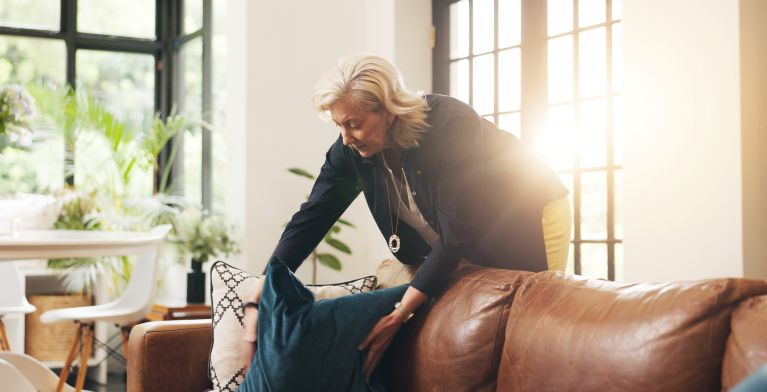
Once you have decided to sell your home, there are steps you can take to make the process easier and prepare your property for a faster sale. After having your home valued and considering what your next move will be, it’s time to speak to an agent about getting your house ready to sell.
To achieve a successful sale and a smooth viewing process, you should get your home looking its best and get everything ready for viewings. There are many things you can do to improve your home’s chance of selling for a good price, but estate agents play a big part here. Taking a proactive approach to marketing your home and working closely with your estate agent, will ensure a more positive selling experience.
“There are also lots of ways in which sellers can put themselves in pole position to achieve the best possible sale, but they need to put the hard yards in well before listing.” David Adams, Managing Director of Cavendish, Chester & North Wales
Tips for selling your home
To help you have a smoother moving experience, we’ve rounded up our best advice for selling your home. We also asked a few agents to give their tips for getting your house ready to sell.
1. Choose the right agent
Picking an agent is a big decision, and the right one can make your move feel smoother from the very start.
“Moving house can be daunting, so choosing the right estate agent is essential – after all, you will be entrusting the agency you choose with the sale of what is likely to be your most valuable asset.” Ian Fry, Head of Estate Agency at Fenn Wright, Ipswich
Ultimately, it’s a personal choice, but we recommend considering the following when selecting an agent:
- How they communicate: you’ll be in contact with your agent a lot during the sales process, so make sure you’re happy with their style of communication.
- Ask about recent success in your local area: find out about their track record of selling homes like yours
- What level of service and support they offer: some agents provide a basic listings-only option, whilst others provide a full-service package that includes premium marketing strategies and full support throughout the sales process.
“Crucially, when choosing your estate agent to sell your home, make sure to ask them what their selling record is. What percentage of homes do they successfully sell, how many go for asking price or better and how long on average to sell.” David Adams, Managing Director of Cavendish
Your agent should make you feel supported and reassured about your next move. If you haven’t already, we would recommend getting an agent valuation on your home to determine your property value.
To learn more about how agents can help you sell your home, read our guide to choosing the right estate agent.
Find an estate agent
2. Make first impressions count – online and in person
When people are looking to buy their next home, first impressions really do matter. When getting ready to sell your property, you get two key opportunities to make a great first impression: online and in person.
- Online: This is how you and your agent market your property online, both on the estate agent’s own website and on portals like Rightmove. You should be prepared for taking photographs and providing marketing details before the property goes live on sale. Like any product on sale, having good quality images that show your property at its best will generate more interest.
Note: it is important to present a realistic but consistent story about your home, so that you get more qualified buyers; images should be truthful and not deliberately concealing anything that a potential buyer will see when they view. - In person: The way your property looks from the outside will set up the initial emotion that a potential buyer feels before they step inside. Whether it’s your front door in a shared building, or your front garden – first impressions matter. Being proactive about keeping your home ready for viewings, even at short notice, can ensure potential buyers start off feeling positive.
3. Maximise your kerb appeal
To start off on the right foot with potential viewers, ensure the entrance to your home looks inviting. Ideally, you want your prospective viewers to feel positive as they knock on the front door.
Many buyers do a ‘drive by’ of a property in advance of a formal viewing, so maintaining a proactive approach to the outdoor appearance of your home can make all the difference.
These simple tips will help you to boost your kerb appeal:
- Keep the garden tidy, even in autumn
- Wash down and repaint the front door if needed
- Clean the windows
- Cut back or remove dead plants
- Hide bins out of sight and clear away rubbish
- Cut back weeds from path
- Replace worn-out door mats
- Ensure exterior lights are working for evening viewings
- Park cars elsewhere, if possible
3. Gather all documents and info about your home
As well as good presentation, prospective buyers will often want to know more specific details about your home, its condition and the location. Help your agent with the property description, by providing documentation about any work done to the property, or information about the property’s facilities or fixtures.
Some of the paperwork to consider rounding up includes:
- HM Land Registry title documents
- Boiler installation and gas checks completed by a Gas Safe registered engineer (or Corgi-registered engineer prior to 2009)
- Electrical checks – an Electrical Installation Condition Report (EICR) or a NAPIT or NICEIC certificate/report from a registered electrical competent person
- EPC (Energy Performance Certificate)
- FENSA or CERTAS certificates for windows
- Planning permission for any major work carried out
- Building regulation completion certificates and builder’s guarantee certificates for alterations or additions
- Subsidence guarantees/warranties
- Damp guarantees/warranties
- Party wall agreements (if relevant)
- If a listed building, listed building consent for interior and exterior works
- If your home is in a conservation area, conservation area consent for works
- Any title insurance policies you may have taken out to solve title defects
Ensure that the information you provide is accurate, so that there are no surprises for the buyer during the survey or later in the buying process.
4. Declutter your home
One of the common mistakes when selling your home, is not clearing out clutter before photos and viewings. It’s not always easy to see past other people’s furniture and belongings when viewing a property.
Decluttering your home could be one of the most impactful things you do. Creating a sense of space and a neutral environment helps buyers imagine themselves living in your property. Not only that, but it saves you time when you’re packing up to move.
Here’s some ideas for how to declutter before viewings begin:
- Remove or sell excess furniture from the main living spaces, even if this means using temporary storage.
- Put away excess coats or shoes from the hallways.
- Keep only essential toiletries in bathrooms and clear kitchen worktops for photos and for viewings.
- If you have a communal hallway, tidy up abandoned flyers, post and newspapers.
- Keep corridors clear and put away coats and shoes
5. Fix and clean
It may seem simple, but cleaning the property before viewings helps future buyers see potential. Dirty surfaces and unclean carpets could make your home look in worse condition and distract prospective buyers from the main selling points.
Pay particular attention to the kitchen and bathroom – these two rooms are the most expensive for a buyer to upgrade. Ensure these rooms are clean, tidy and mould-free. It’s also a good idea to remove any bad odours and any evidence of pets.
There’s no need to start big renovations before you sell, but if there are simple repairs that you have been planning to do, get them done before listing your home. This could be touching up paint on the walls, fixing broken cupboard doors, or replacing lightbulbs. If redecorating, keep the colours neutral and allow buyers to decide how they add their own stamp.
6. Give rooms the right purpose
We don’t always use rooms for the purpose they were intended; we may use a dining room as a bedroom, or a spare bedroom as a study or extra storage space.
Some buyers find it hard to see beyond the current use of a room, so talk to your agent about what sort of buyers you are targeting. If you are marketing a room as a bedroom, make sure it looks like there is room for a bed – this means removing excess belongings and clearing floor space.
7. Ensure there is good lighting and temperature
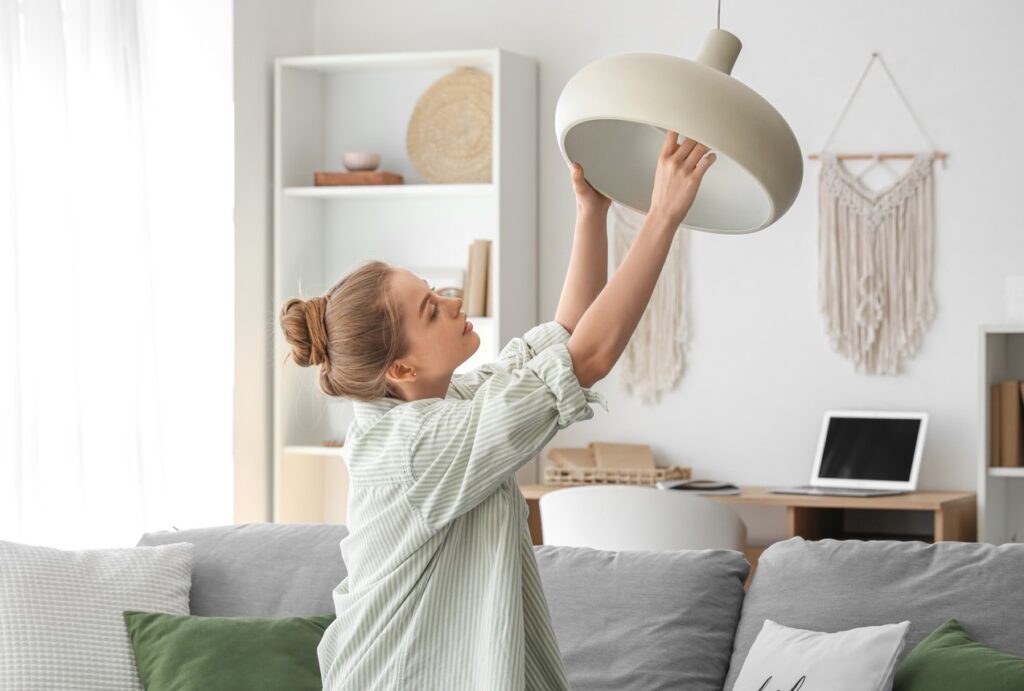
A well-lit home will feel more inviting to prospective viewers. Keeping your windows clean and your curtains or blinds open for viewings, will let in light and create a better sense of space.
“Clean windows allow more light in and clean kitchens and bathrooms are a must – this is the time for your home to shine and showcase your property to make it stand out from the crowd,” recommends Ian Fry, Head of Estate Agency at Fenn Wright.
If you are going to be at home for viewings, switch on lights in the rooms before your viewer arrives. Consider using softer lighting in living rooms, if viewings are in the winter months or in the evenings.
As well as lighting, it’s a good idea to consider the temperature of your home as well. If there are rooms in your home that get cold in winter, switch on the radiators ahead of your viewing so the whole property is warm and welcoming. If it’s hot in the summer, open the windows or back doors, to allow fresh air into the house.
8. Know the value of your home
Finally, whilst preparing your home to look its best will always help, the best way to ensure a successful sale is to know your homes worth. Pricing your home realistically for your area will ensure that you get more interest from your target buyers. Don’t bump up the asking price just to test the market; if the condition of the home doesn’t reflect the market value, buyers are more likely haggle or not offer at all.
“No matter what the month, the best way to prepare your home for an effective sale is to price it sensibly from the outset,” says Ken Whittaker, Principle of Whittaker & Co. in Harpenden.
Our research has consistently shown that homes which don’t require a price reduction are overall more likely to find a buyer than homes which do require a price reduction. We also found that homes which need a reduction in price during marketing can take over two months longer to find a buyer.
Check what your home’s worth
Preparing your house for sale FAQs:
-
Is there a bad time of year to sell a house?
People move home throughout the year, for various reasons, and we see homes selling on our platform every month. However, the end of the year tends to be more challenging for selling a home. This is largely down to people wanting to avoid moving over the Christmas period. According to our House Price Index, November and December have the longest lead times for selling a home, but this still depends on factors like your local housing market and how you price your home. Find out more about the best months to list your home for sale.
-
What's the best way to sell a property?
There’s no single best way to sell a house, as it depends on the circumstances of the seller. You can choose from several different ways to sell a property, such as selling by private treaty, auction, or through a government supported scheme, depending on what fits your situation best.
-
What fees are involved when selling a property?
When you’re selling a property, there are usually several different fees to budget for. Typical fees for selling your home include estate agent fees, conveyancing fees and the cost of an EPC (Energy Performance Certificate). The amount of fees can vary depending on the type of agent you use and the cost of the solicitors.

Written by Stephanie Mitchell, Rightmove Editorial Team
Stephanie leads Rightmove’s Content Team, with over a decade of… Read moreCopyright © 2000-2026 Rightmove Group Limited. All rights reserved. Rightmove prohibits the scraping of its content. You can find further details here.