What adds value to a property?


In summary:
- What adds value to a home is subjective: one buyer’s must-have might be much less important to someone else
- Some features are found in homes with higher average asking prices: but that doesn’t mean the feature itself caused the difference in price
- Off-street parking, loft conversions and extensions all bring a price boost according to our data
- It’s not just about physical features of a home: our research panel also highlighted low crime rates, transport links and garden size as value-adds
- Every home is different: location, size, condition and what individual buyers are looking for can all play a part in a home’s value
Check what your home’s worth
What boosts the value of a home? There’s no single, simple answer to this one. A property’s value can depend on lots of things, from its location and size, to its condition and what’s happening in the wider housing market. Then there’s something much more personal: what a particular buyer is looking for.
One person might dream of a big garden, while another would happily swap some outside space for a shorter commute. A home office might be essential for someone who works remotely, but less important to somebody who doesn’t.
So, when we talk about features that could add value to a property, it’s worth remembering that value is subjective. There’s a difference between the average asking prices we see for homes with particular features and the things individual buyers tell us they value.
Here, we’ll look at both.
Features found in homes with higher average asking prices
The average national asking price of a home was £371,015 in October 2026, according to Rightmove data.
We also looked at the average asking prices of homes advertised with a selection of features. Every feature we looked at appeared in homes with an average asking price above the national figure, although the difference varied considerably.
That doesn’t mean the features themselves caused the difference in asking price. Homes vary in lots of other ways, including their size, type and location. So, the figures below are simply comparisons between the average asking price of homes where we identified each feature and the national average.
Off-street parking
Homes with a driveway had an average asking price of £396,655, 7% higher than the national average. For buyers, having your own place to park can make everyday life that bit easier, whether it’s unloading the shopping or knowing there’s a space waiting for you when you get home. A garage can offer useful extra storage too.
Homes with a garage averaged £414,555, 12% higher, while those with a double garage had an average asking price of £658,358, 77% higher than the national average.
Of course, parking won’t be the only difference between these homes. Things like their size, location and property type could all play a part in their asking price too.
Loft conversions
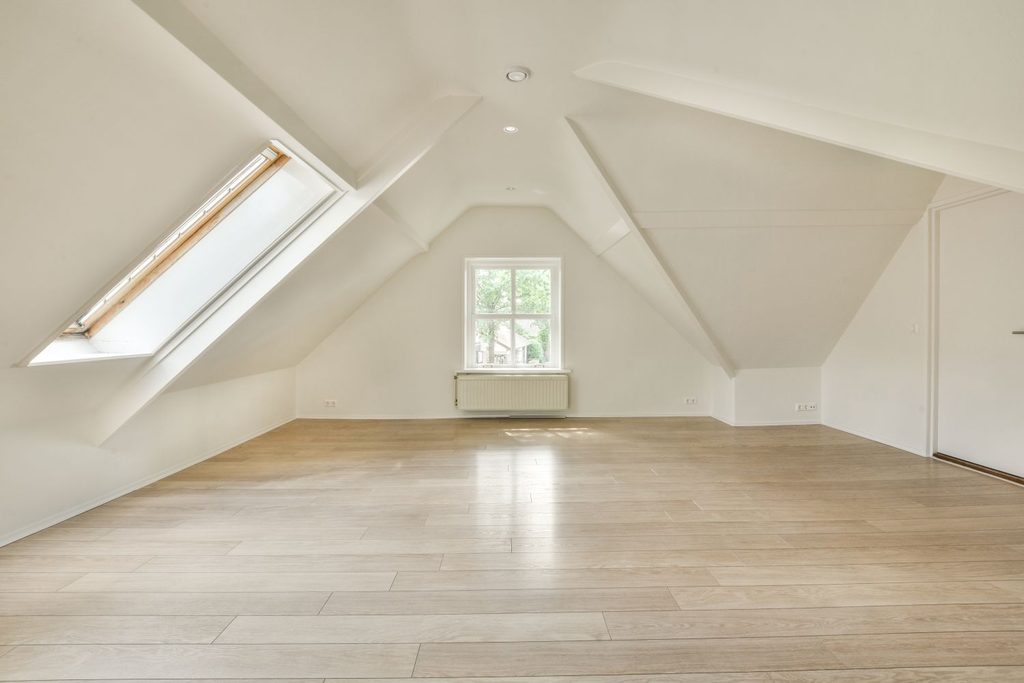
Homes with a loft conversion had an average asking price of £529,674, 43% higher than the national average. That extra room could give buyers more flexibility without needing a bigger footprint, whether they’re imagining another bedroom, a home office or simply some much-needed extra space.
That doesn’t mean adding a loft conversion would give your home the same uplift. The homes in this group could be larger, in different locations or have other features that help explain the difference.
Extensions
Homes described as “extended” had an average asking price of £440,196, 19% higher than the national average based on the asking prices of homes listed on Rightmove.
There are lots of reasons why one home might have a higher asking price than another, so we can’t put that difference down to the extension alone.
Home offices
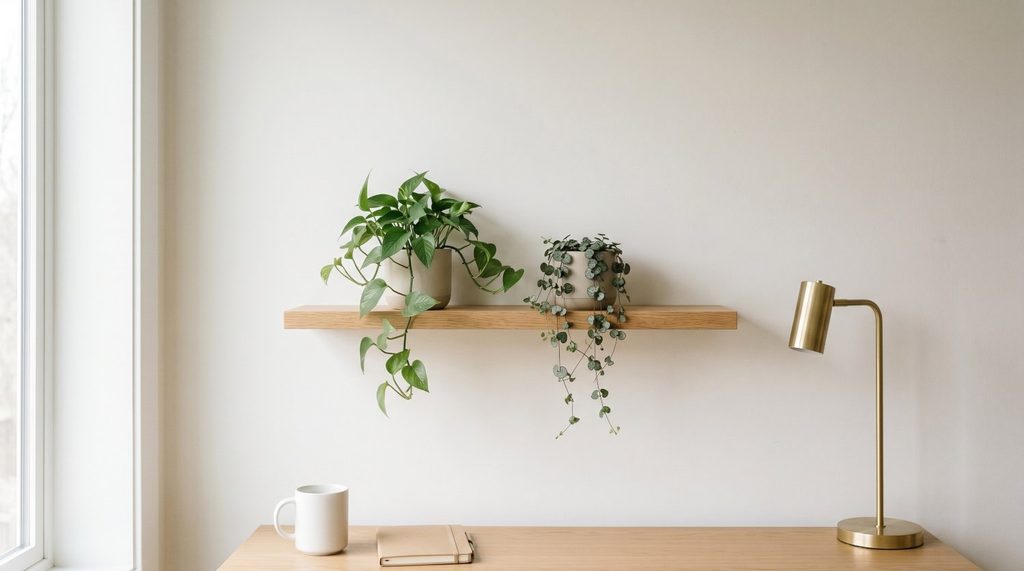
Homes advertising an office or study had an average asking price of £400,799, 8% higher than the national average. According to the Office for National Statistics, more than a quarter of adults (28%) in Great Britain hybrid worked in 2025, which could explain people looking for a designated place to work at home. For buyers who work from home, having a room that’s already set up for the working day could make it easier to keep work and home life separate.
There’s an interesting link with our 2026 research here too: 43% of respondents said space for a home office adds value to a home for them personally.
So while we can’t say how much a home office might add to a property’s price, our research suggests dedicated working space is something some people value.
Energy-saving features
Several energy-related features were found in homes with above-average asking prices. For some buyers, finding a home where energy-saving features are already in place could be one less job to think about after moving in. Our data also shows that homes with higher EPC ratings have lower energy bills, on average.
Homes advertising solar heating had an average asking price of £415,236, 12% higher than the national average, while homes with triple glazing averaged £459,298, 24% higher.
For homes advertising a heat pump, the average asking price was £546,524, 47% higher than the national average.
These features are only one part of the picture, though. The figures show what homes advertising them were priced at on average, rather than what you could expect to add to your own home’s value by installing them.
Summer houses
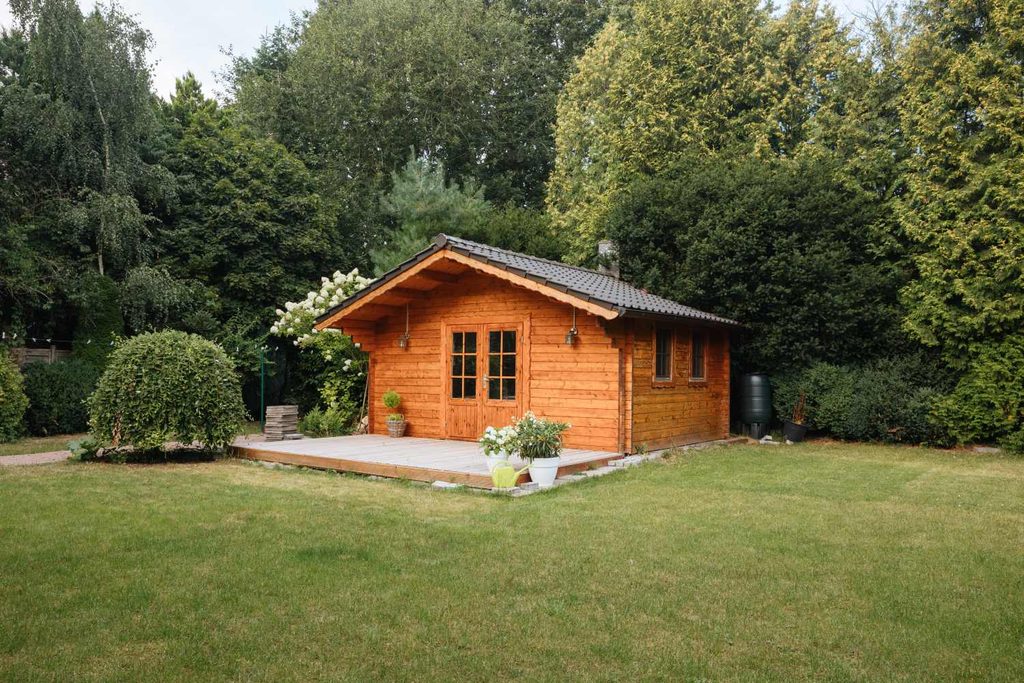
Homes advertising a summer house had an average asking price of £486,731, 31% higher than the national average. For buyers, a summer house can make the garden feel like it offers an extra room, with potential space for hobbies, relaxing or working away from the main house.
Summer houses can vary a lot from home to home, and so can the properties and gardens they come with. So it’s better to think of this as an interesting comparison between asking prices, rather than an indication of how much a summer house could add to your home’s value.
Rightmove asking-price data. Percentages compare the average asking price of homes with each identified feature against the national average asking price of £371,015 in October 2026. They show an association, not the amount of value added by the feature.
See what an expert local agent thinks
What people think adds value to a home
Asking-price data only tells us one part of the story. Because value can be personal, we also asked members of our research panel, Living Room, what they think adds value to a home. In our survey, we asked people which features would add value for them personally when looking to move home.
Here’s how they ranked in order of importance to people:
- Private driveway: 77%
- Garden size: 65%
- Low crime rates: 57%
- High energy efficiency score / low energy bills: 52%
- Utility room: 52%
- South-facing garden: 47%
- Close to transport links: 47%
- Space for a home office: 42%
- Green tech, such as solar panels and heat pumps: 33%
- Period features: 31%
- Being in the catchment area of good schools: 19%
Because respondents could choose more than one answer, the percentages aren’t intended to add up to 100%. Figures demonstrate the percentage of respondents who said a feature would add value for them.
Why value is personal
One of the most interesting comparisons between the two sets of data is off-street parking.
A private driveway was selected by 77% of respondents, making it the most selected feature in our research. But in our asking-price data, homes advertising a driveway had an average asking price of £396,655, 7% higher than the national average. The research tells us what people personally feel adds value to a home. The asking-price data tells us about the average asking prices of properties advertising particular features. But neither tells us exactly how much adding a driveway would add to the price of an individual property.
Our research also shows why it’s useful to think beyond home improvements. People selected factors such as garden size, low crime rates, energy efficiency and transport links, alongside physical features that could potentially be added or changed.
It’s a reminder that there’s no universal formula for adding value to a home. Different buyers have different priorities.
Read more: 5 renovations sellers think add value that often don’t
Adding value to your home
If you’re thinking about making changes to your property before selling, it can be tempting to concentrate on the improvement you think will give you the biggest financial return. But there isn’t one feature that every buyer will value in the same way.
Instead, think about your property as a whole. Its location, size and condition, the types of buyers it might appeal to and the features those buyers are looking for could all be relevant. Our research highlights just how varied those priorities can be. One buyer might put a private driveway near the top of their wish list, while another could be more interested in a south-facing garden, space to work from home or good transport links. You can read our tips on preparing your home for sale if you’re thinking of listing it soon.
And remember that an asking price isn’t necessarily the same as a home’s eventual selling price. You can check what homes near you have sold for recently here.
Finding out how much your home is worth
No two homes are exactly alike. Even properties on the same street can differ in their size, condition, layout and features.
If you’re considering selling, getting an in-person valuation from an expert local agent can give you a better idea of what your home is worth.
Get a free valuation from an agent
Sources:
Rightmove House Price Index
June 2026 Living Room survey, 1,680 respondents
ONS

Written by Emma Starkie, Rightmove Editorial Team
Emma works on housing and property content at Rightmove, and… Read moreCopyright © 2000-2026 Rightmove Group Limited. All rights reserved. Rightmove prohibits the scraping of its content. You can find further details here.