Understanding tenant rights and responsibilities

In summary:
- Your landlord must keep your home safe, secure and in good repair
- You’re responsible for looking after the property and reporting issues early
- Most problems can be avoided with clear communication and records
- Understanding who’s responsible for what helps prevent disputes
- Recent Renters’ Rights Act changes will alter some tenant protections, but day‑to‑day responsibilities stay largely the same
Knowing your rights and your responsibilities can make renting simpler, and the process run more smoothly.
Renting isn’t just about paying rent each month. It’s a shared responsibility between you and your landlord.
When you know which party’s responsible for what, and how best to raise issues, you’re more likely to:
- Get repairs sorted faster
- Avoid misunderstandings or charges
- Feel confident and secure in your home
Your key rights as a tenant
The right to a safe, well‑maintained home
Your landlord is legally responsible for keeping the property in a safe and habitable condition. This includes:
- The structure of the building (walls, roof, windows and doors)
- Heating and hot water
- Gas, electricity and water supply
- Fixed fittings like sinks, baths and toilets
If something essential breaks, your landlord should arrange repairs within a reasonable time once you’ve reported it.
The right to repairs and maintenance
If something goes wrong that isn’t your fault, you have the right to have it put right.
Your landlord is usually responsible for:
- Boilers and central heating
- Electrical wiring and gas appliances
- Leaks, damp caused by the building, or faulty plumbing
You should always report problems as soon as you notice them: delays can sometimes make issues worse.
The right to quiet enjoyment
This means you have the right to live in your home without unnecessary disruption.
- Your landlord can’t enter whenever they like
- Visits for repairs or inspections should come with reasonable notice
- Emergencies (like serious leaks) are the exception
The right to clear information
You should be told important details about your tenancy, including:
- How to report repairs
- Who to contact in an emergency
- What you’re responsible for during the tenancy
Clear information makes it easier to resolve issues quickly.
Your responsibilities as a tenant
Paying rent on time
You’re expected to:
- Pay rent as agreed in your tenancy
- Contact your landlord or agent as early as possible if you’re struggling
Ignoring rent problems can lead to bigger issues later on.
Looking after the property
You’re responsible for everyday care of the home, including:
- Keeping it reasonably clean and tidy
- Ventilating rooms to reduce condensation
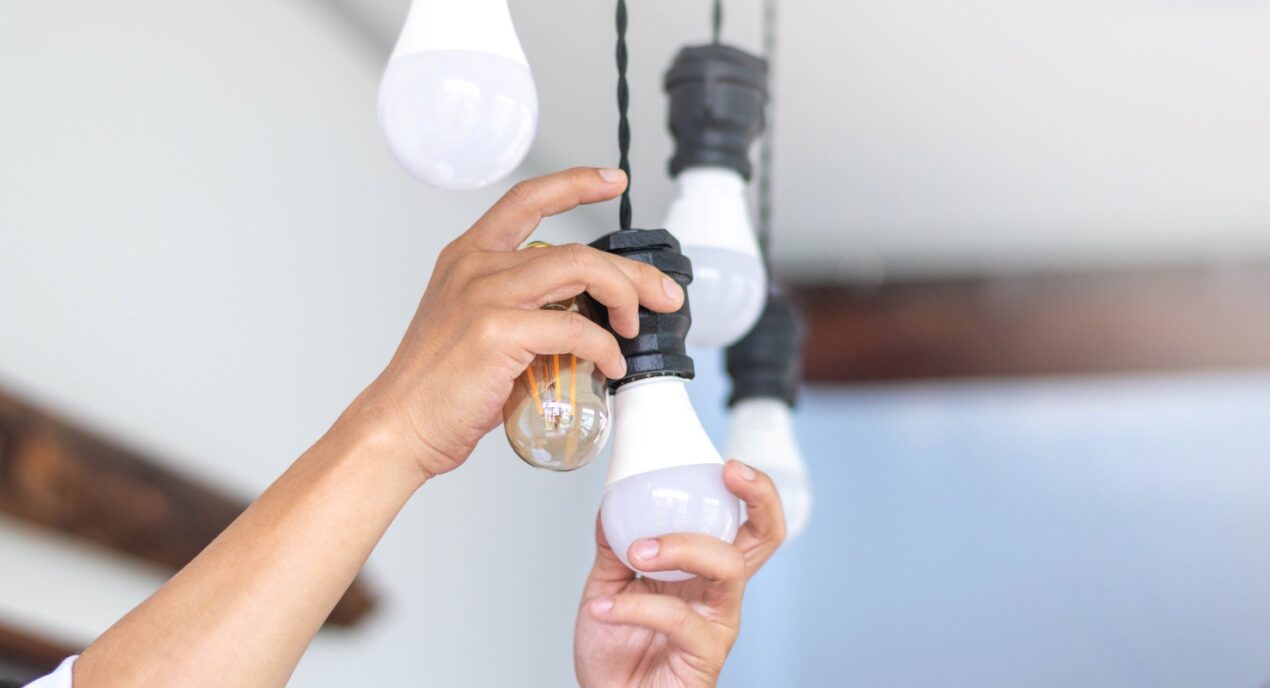
- Replacing small items like light bulbs or smoke alarm batteries (if stated in your agreement)
You’re also expected to avoid causing damage beyond normal wear and tear.
Reporting problems promptly
If something breaks or seems unsafe, let your landlord or agent know as soon as possible.
This includes:
- Leaks or damp
- Faulty heating or electrics
- Broken fixtures
Prompt reporting helps protect the property, and can prevent you being held responsible for damage that gets worse over time.
Allowing access for repairs and checks
Your landlord may need access to:
- Carry out repairs
- Complete safety checks
- Inspect the condition of the property
You should allow access with reasonable notice, unless it’s an emergency.
Following the terms of your tenancy
It’s important to:
- Stick to agreed rules (such as subletting or smoking)
- Respect neighbours and avoid anti‑social behaviour
- Ask permission where required (for example, if you’d like to redecorate)
What to do if something goes wrong
If there’s an issue during your tenancy:
- Raise it informally first (many problems can be resolved quickly and easily)
- Follow up in writing if needed
- Keep copies of messages, photos and dates
Clear communication and records can make a big difference if a dispute arises.
FAQs
-
Who is responsible for repairs in a rented home?
Your landlord is usually responsible for major repairs like heating, plumbing and the structure of the property, while you’re responsible for everyday care and any damage you cause.
-
What counts as fair wear and tear?
Fair wear and tear is the natural deterioration that happens over time from normal use, such as worn carpets or minor scuffs, rather than damage caused by neglect or accidents.
-
How quickly should a landlord fix a problem?
Repairs should be carried out within a reasonable time, with urgent issues like loss of heating or hot water dealt with more quickly than minor repairs.
-
Can I arrange repairs myself and claim the cost back?
You should usually not arrange repairs yourself without your landlord’s agreement, as they may already have a nominated person in mind they’d like to carry out a repair. You also might not be able to claim the cost back if you were to arrange a repair yourself.
-
When can my landlord enter the property?
Your landlord can enter for repairs, inspections or safety checks with reasonable notice and your agreement, except in genuine emergencies.
-
What should I do if I think a repair issue is being ignored?
Follow up in writing, keep records of your communication, and seek further advice if the issue affects your health or safety.

Written by Emma Starkie, Rightmove Editorial Team
Emma works on housing and property content at Rightmove, and… Read moreCopyright © 2000-2026 Rightmove Group Limited. All rights reserved. Rightmove prohibits the scraping of its content. You can find further details here.