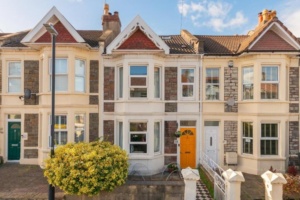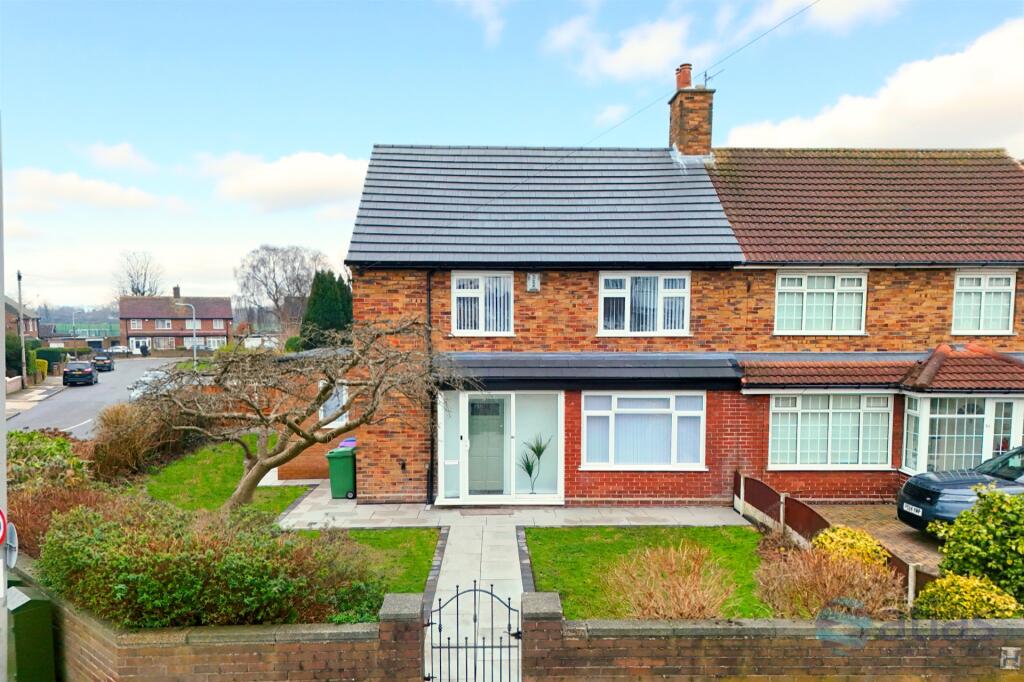
Price gap between first and second homes hits record high
Find out more…
- The price gap between a typical first-time buyer home and a ‘second-stepper’ home is now 52% – the widest it’s been since our records began back in 2001
- South East buyers face the biggest jump, while Yorkshire & The Humber is the most achievable place to trade up
- There are ways that buyers could try to close the gap, but wider market pressures should always be considered
If you’re thinking about trading up from your first home to something bigger, you’re not imagining it. The step has genuinely got steeper.
Rightmove house price data shows that the average asking price for a typical first-time buyer home (0-2 bedrooms) is currently £226,955. Moving up to a mid-market second-stepper home (3-4 bedrooms) means jumping to £345,857. That’s a 52% increase, and the widest gap we’ve since since our records began back in 2001.
In cash terms, that’s a £118,902 difference between a typical first and second home. While that number has nudged higher on two previous occasions (May and June 2025) the percentage gap has never been greater.
How much more do you need to save to trade up?
The deposit maths is where things get more tangible. If you’re aiming for a 20% deposit, buying a typical first-time buyer home requires around £45,391. Trading up to a second-stepper home means needing a deposit of £69,171 (a difference of £23,780).
That gap needs to come from somewhere, whether that’s equity built up through rising property values, overpaying on your mortgage, or additional savings alongside your existing home. You’d also need to be approved to borrow a larger amount from a mortgage lender – so it pays to think ahead about how your finances are shaping up.
Matt Smith, our mortgage expert, says:
“Inevitably trading up means borrowing more. Home movers usually take advantage of having built equity since the purchase of their first home to fund a larger deposit, meaning they have access to cheaper rates.
“If equity is reduced, this means home movers are likely to need to look at alternative strategies, either through reducing their mortgage balance by overpaying, or boosting their deposit through savings.”
Where are the easiest and hardest places to trade up?
The size of the gap varies quite a bit depending on where you live.
Buyers in the South East face the biggest jump. The average first-time buyer home there is £286,748, while a typical second-stepper home is £460,781, a 61% increase. London comes second, with a 60% gap between a typical first home at £491,661 and a second-stepper at £788,528.
At the other end of the scale, Yorkshire & The Humber is the most manageable place to trade up. A typical second-stepper home there costs £251,885 – a 38% increase on the average first-time buyer home of £182,029. Wales is the second most affordable area, with a 40% gap between a typical first and second home.
Flats are falling behind
A big part of what’s driving the record gap is the diverging performance of flats and houses over the past decade.
Over the last 10 years, the average asking price of a flat has risen by just 8%, compared with 34% for houses. Since flats make up a much larger share of typical first-time buyer purchases, this slower growth makes it harder to build up the equity needed to move on.
The COVID pandemic played a significant role in accelerating this divide. Before the first lockdown in February 2020, the cash gap between an average flat and an average house was £24,010. By February 2026, that had grown to £78,198 – more than three times as much.
Our property expert Colleen Babcock adds: “The race for space that began during the pandemic caused a major shift between houses and flats, and it’s a shift we’re still feeling today. Flats, which make up a much larger share of first-time buyer homes and markets like London, have seen slower price growth, while houses have pulled further ahead. Concerns around leaseholds and ground rents are also likely weighing on flat prices.”
How to make your next move work
The gap may be at a record high, but there are practical ways to try to close it. You could:
- Overpay on your current mortgage to build equity faster
- Boost your savings alongside your existing home
- Take more incremental steps, so move to something only slightly larger first
- Be flexible on location to find a more manageable price gap
- Explore lender options if you’re moving at a higher Loan-To-Value
Even small overpayments each month can make a meaningful difference to the equity you build up over time. If your property has risen in value since you bought it, that’s also worth factoring in when you work out what you have to put towards a deposit.
Flexibility on location can open up significantly more affordable options too. As the regional figures show, where you buy next can be just as important as when.
And if a full second-stepper home feels out of reach right now, an incremental move could be a smart way to build equity and buying power gradually.
As Matt Smith notes: “Lenders do have options to support buyers facing the prospect of moving up the ladder at higher Loan-To-Values – powered up by recent changes to affordability rules by the regulators.”
Rightmove is not authorised to give financial advice; the information and opinions provided in these articles are not intended to be financial advice and should not be relied upon when making financial decisions. Please seek advice from a regulated mortgage adviser.
All pricing data: Rightmove House Price Index

Written by Jan Moys, Rightmove Editorial Team
Jan has worked as a writer and content expert for… Read more